What the F is Founder Mode And The Pivot No One Warns You About
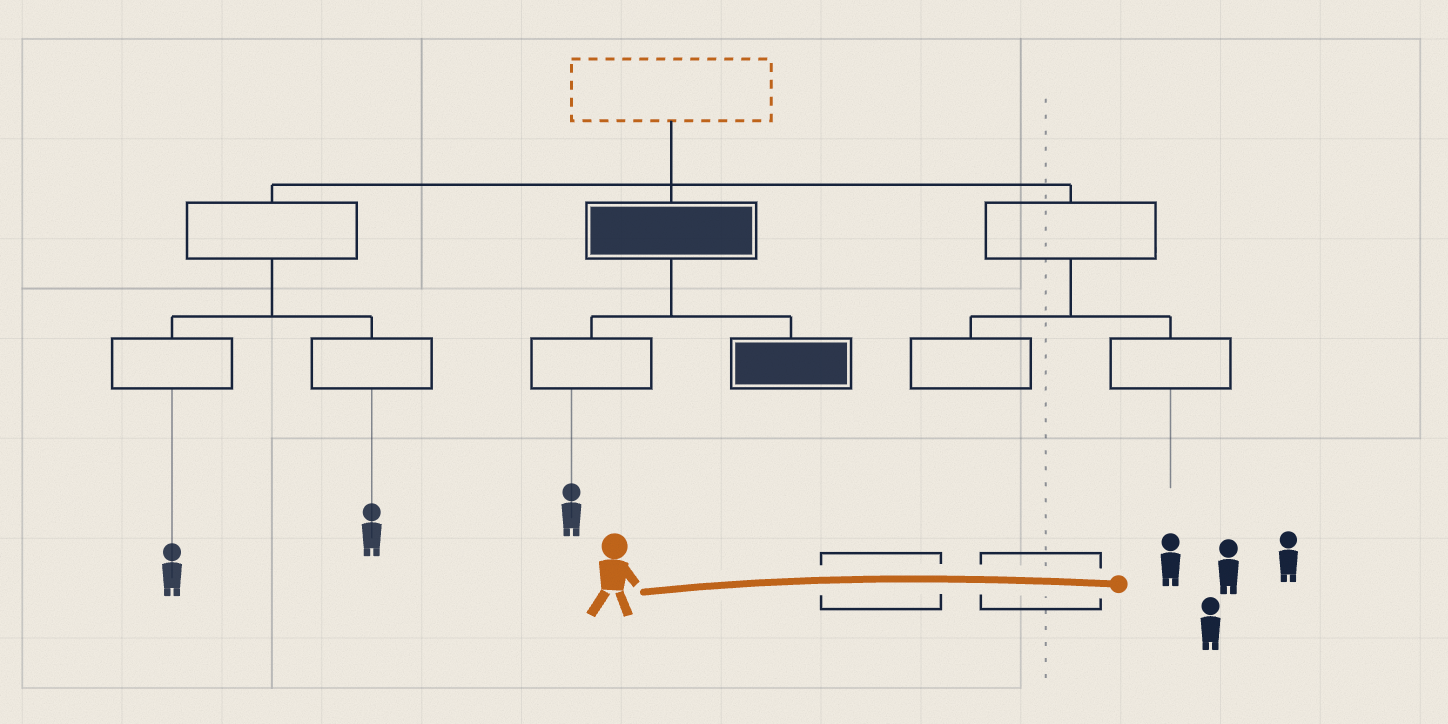
Roughly a year ago, Brian Chesky and Paul Graham coined the term founder mode. I've been thinking about it a lot since then — what it actually means, and how it's shown up in my own journey building BenchSci over the past decade.
Is founder mode being intense? Micromanaging? Working like crazy? Being in the details? Probably all of those are true when you're starting a company. There's a level of obsession, a black-and-white way of thinking, that you need in the first couple of years, because you're trying to do something with enormous inertia against it. Everyone is telling you it won't work. Getting something like that moving takes a kind of commitment that doesn't look reasonable from the outside, and isn't supposed to.
That intensity is good because it's literally what it takes to get started. It's bad because it doesn't scale — not because the intensity itself is wrong, but because as you hire more people, they're not built that way, and most of them shouldn't have to be. I was pretty much all-in like that until we hit our Series B.
I've spent the time since thinking hard about what founder mode actually means to me, because I've lived both sides of it — the version that built this company, and a version I let other people talk me out of for a few years. That second version is the biggest mistake I've made as CEO.
The pivot nobody warns you about
A Series B changes what kind of company you are. You've proven product-market fit. You've proven people will pay. Now you're raising from growth investors, and the advice that comes with that money is consistent and confident: it's time to hire adults. Bring in real executives. Get out of their way — give them full autonomy, because they know better than you do.
So I did what the advice said. I started asking myself what an "executive CEO" is supposed to look like, what language that person uses, and how they carry themselves. I moved away from the intense, in-the-details founder and toward something that looked more like a professional operator. And through COVID, through the return to office, through the last couple of years of AI eating every plan we made and remaking it — I can tell you directly: that version of me simply does not work. Not in this environment, and especially not as an AI company where the ground moves under you every week.
Where I actually went wrong
Here's the part that still bothers me, because it's the part I could have caught sooner. As a first-time founder, you don't have the experience to know your own value with certainty. So when more senior people show up — people with the résumés and the pedigree — you start questioning yourself. They must know what they're doing. And without meaning to, you start handing over the thing that was never actually about experience: nobody thinks about this problem the way you do. Nobody is as committed as you are. If this fails, you go down with the ship. This isn't a career for you. It's your life. That level of commitment has no substitute, and no executive I've ever hired — however good — carries it the same way, because they have somewhere else to go if it doesn't work out.
Here's what that looked like in practice. Two of the most important executives I ever hired asked me to stop talking to their team members directly — go through them instead. Their reasoning wasn't crazy on its face: I was stressing people out. When you're a company of hundreds of people and the CEO shows up in your Slack DMs or pulls you into a hallway conversation, that lands differently than it did when we were 15 people in one room. They worried I wasn't aligned with what they wanted their teams to hear. They called it micromanaging.
I listened. That was the mistake. What actually happened was two losses at once. I stopped knowing the details that mattered — the ones you only get by being in the room, not the summarized version three layers up. And the value I brought to the company went down, because I couldn't weigh in on things I no longer had context for, despite having thought about our problem longer and harder than almost anyone else in the building.
Both of those executives are no longer at BenchSci.
What I do now
I brought in different leaders — ones who invite me to talk to their teams rather than build a wall around them. I can talk to anyone in the company about anything I want. I weigh in. I make sure it's done respectfully, and I'm explicit that I'm not always right — I want people to challenge me back. But I want the input. I want to know what's actually happening, and I want as much of the real picture in my head as I can hold, instead of the version that's been smoothed for me on the way up.
Going that long without it wasn't a phase. It was the biggest lag in my own performance as CEO that I can point to.
So what is founder mode, actually
For me, it's being intense and in the details without apologizing for it. It's being authentic and raw and doing what it takes to win, even when that doesn't look like what a CEO of a company worth real money, with hundreds of employees, is "supposed" to look like. That gap — between what a founder instinctively is and what a hired executive is trained to be — is the whole point. It's the value a founder brings that nobody else in the building can replicate, and it's the thing I will never let myself get talked out of again.
None of this means ignore the advice. "What got you here won't get you there" is true — you do have to adapt as the company grows, and you have to figure out how to bring senior people in. But there's a real difference between evolving how you show up and giving up what made you valuable in the first place. I confused the two for a few years, and it cost both the company and me a lot.
That's my advice to any CEO bringing on more senior executives as the company scales: don't lose yourself in what got you here. Adjust how you deliver it if you have to. But do not hand over the thing only you can do.